
Threads
PDO ThreadLift.
Dissolvable sutures placed under the skin to reposition tissue a small amount and leave collagen behind as they break down.
At a glance
- Performed by
- Licensed RPN injector, plan signed off by our Medical Director
- Price
- Quoted by thread type and number of threads at your consultation
- Consultation
- Free
What it is
What threads
actually do.
What a thread actually does
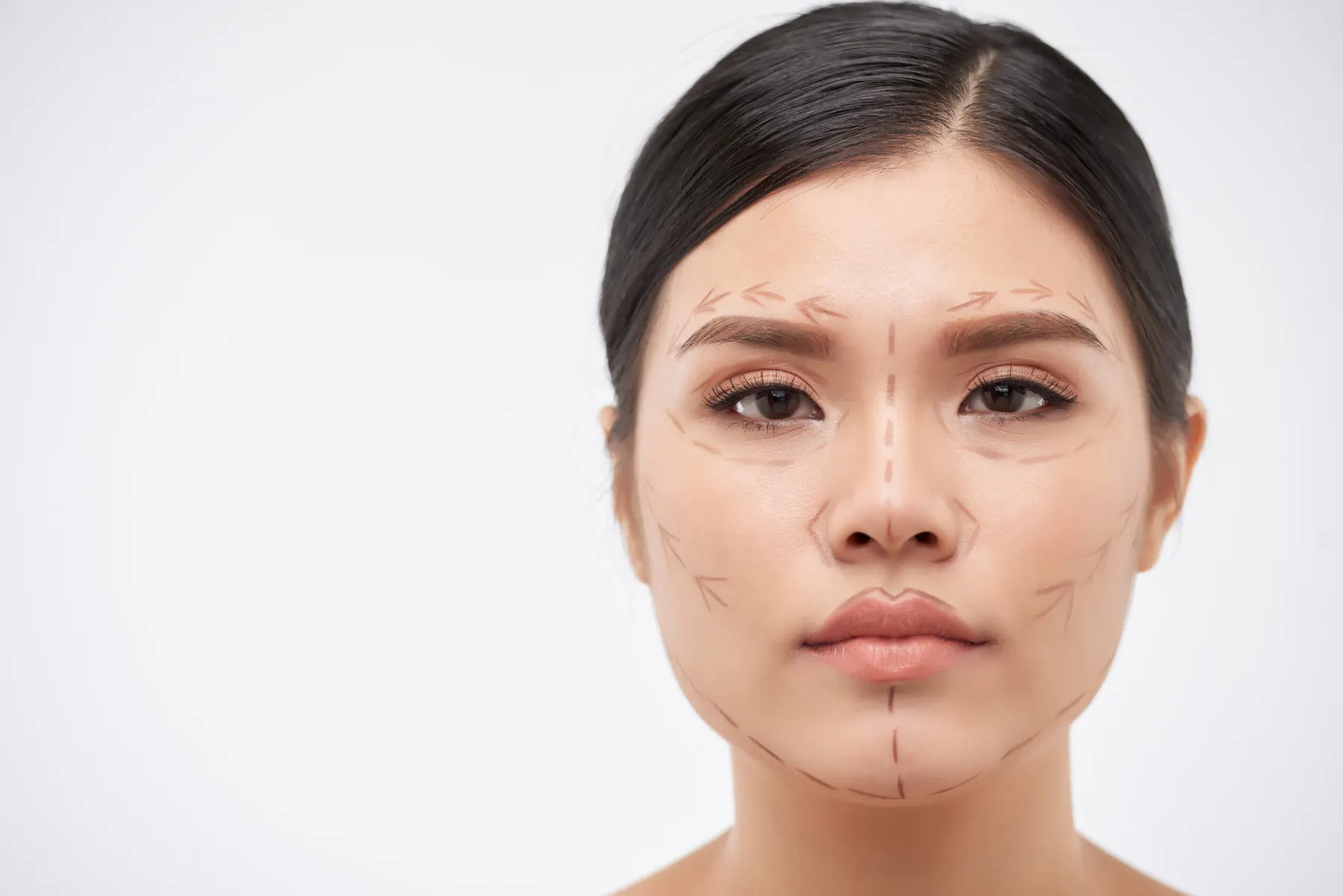
A thread lift uses fine polydioxanone sutures introduced under the skin through a needle or blunt cannula. Barbed or cogged threads catch the underside of the soft tissue, and when the thread is anchored and tensioned, that tissue moves a small distance in the direction you have pulled it. Smooth threads work differently: they do not lift, they sit in the dermis and provoke a collagen response along their length.
The realistic framing is repositioning plus stimulation. It is a mechanical adjustment of a few millimetres in the right candidate, and a collagen effect that develops afterwards. Anyone describing it as a lunchtime facelift is overselling it.
Where threads work best
Along the jawline where definition has softened but the tissue is not yet heavy. In the mid-face, to lift a cheek that has begun to descend. In the brow, to open the eye slightly at the tail of the eyebrow. In the neck, cautiously, and only in the right anatomy.
They also have a role purely as a collagen stimulus in areas that do not need lifting at all, which is a use most people have never heard of because it does not photograph as dramatically.
Who this suits, and who it does not
The best candidate is someone in the window between wanting nothing done and wanting surgery: mild to moderate descent, reasonable skin quality, realistic expectations, and a face where there is somewhere solid to anchor to.
The person threads suit least is the person who most wants them. Heavy jowls, thick skin and significant laxity need more support than a dissolving suture can supply, and forcing a thread to do that job produces puckering, early relapse and disappointment. If that is what we see, we will say that surgery is the honest answer and give you the alternatives we do offer, rather than taking the booking.
We also decline threads over active infection, in uncontrolled autoimmune inflammation, in anyone taking anticoagulants without clearance from their prescriber, and in pregnancy.
At the appointment
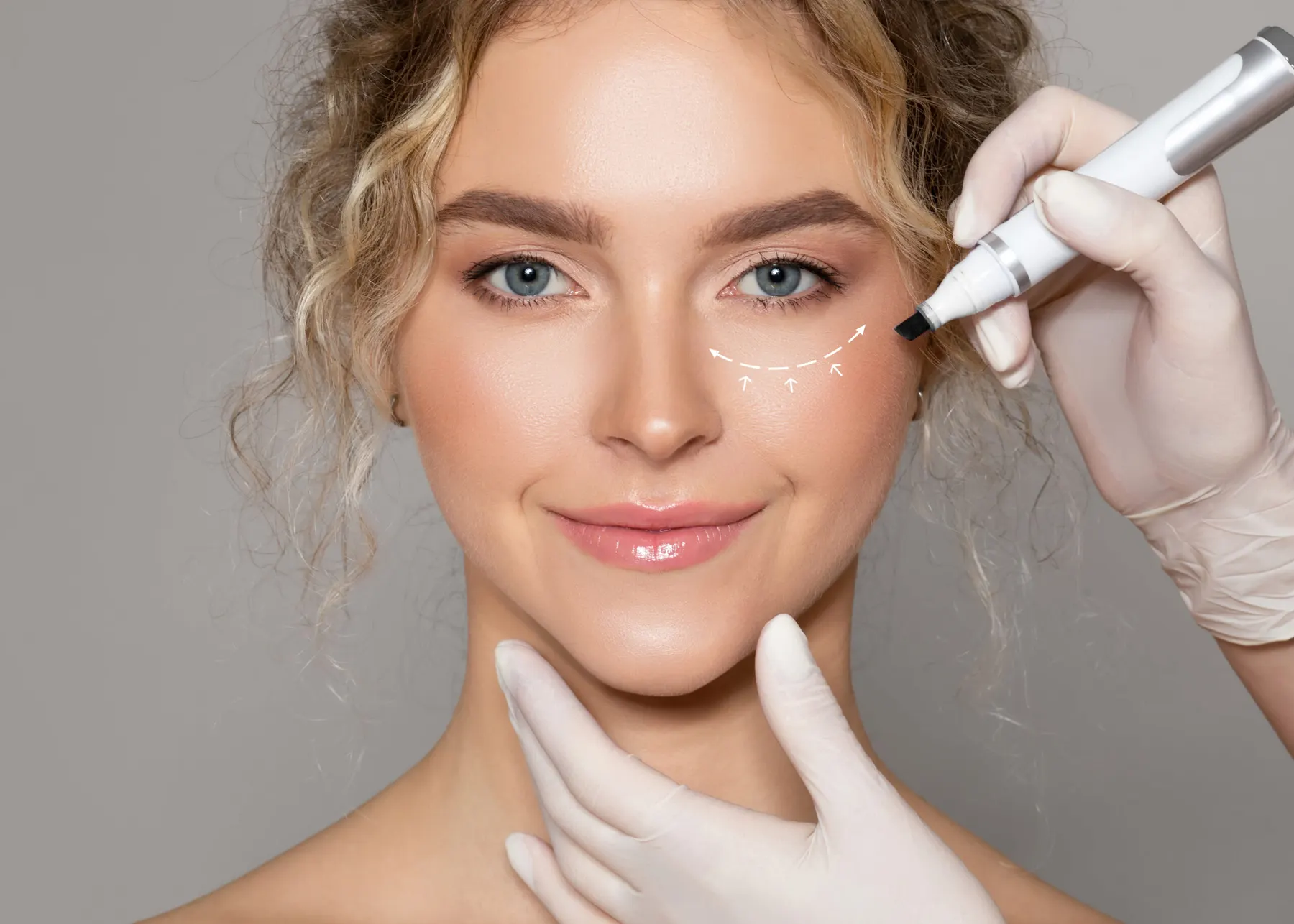
Your face is marked with you sitting upright, because gravity behaves differently when you lie down and the marking is what the whole plan follows. Local anaesthetic is used at the entry points and along the thread paths. Threads are inserted, tensioned and trimmed, and you will be shown the result before the second side is matched to it.
Afterwards
You will be swollen and probably a little uneven for a while, and one side commonly settles faster than the other. Bruising at entry points is common. You will be asked to sleep on your back, avoid facial massage and extreme facial movement, skip dental appointments for a period, and hold off on heat and heavy exercise.
We book a review. Threads are the treatment where early review matters most, because a puckered or migrating thread is far easier to address in the first weeks than months later.
If it is wrong for you, we say so before you book again. A nurse-practitioner-led clinic has a licence at stake. That is the whole reason we are careful - and the reason the honest answer sometimes is "not this, and not yet".
Concerns
What it treats.
Every concern below is one we would consider threads for. Open any of them for the honest version: what actually causes it, and what we would and would not do.

Being straight with you
When we would
tell you no.
Every clinic lists who a treatment suits. This is the other half. If any of these is you, say so at the consultation and we will talk about what else might work, or about waiting.
- You have heavy jowls, thick skin and significant descent. Surgery is the honest answer.
- Your skin is very thin. Thread edges can become visible or palpable in it.
- You expect what a facelift delivers. Threads reposition tissue a few millimetres.
- You take anticoagulants without clearance from your prescriber, or have a bleeding disorder.
- You are pregnant. We will plan this for after you have finished.
- You will not follow aftercare. Sleeping position, dental work and facial movement all matter here.
Who performs it
A nurse holds
the syringe.
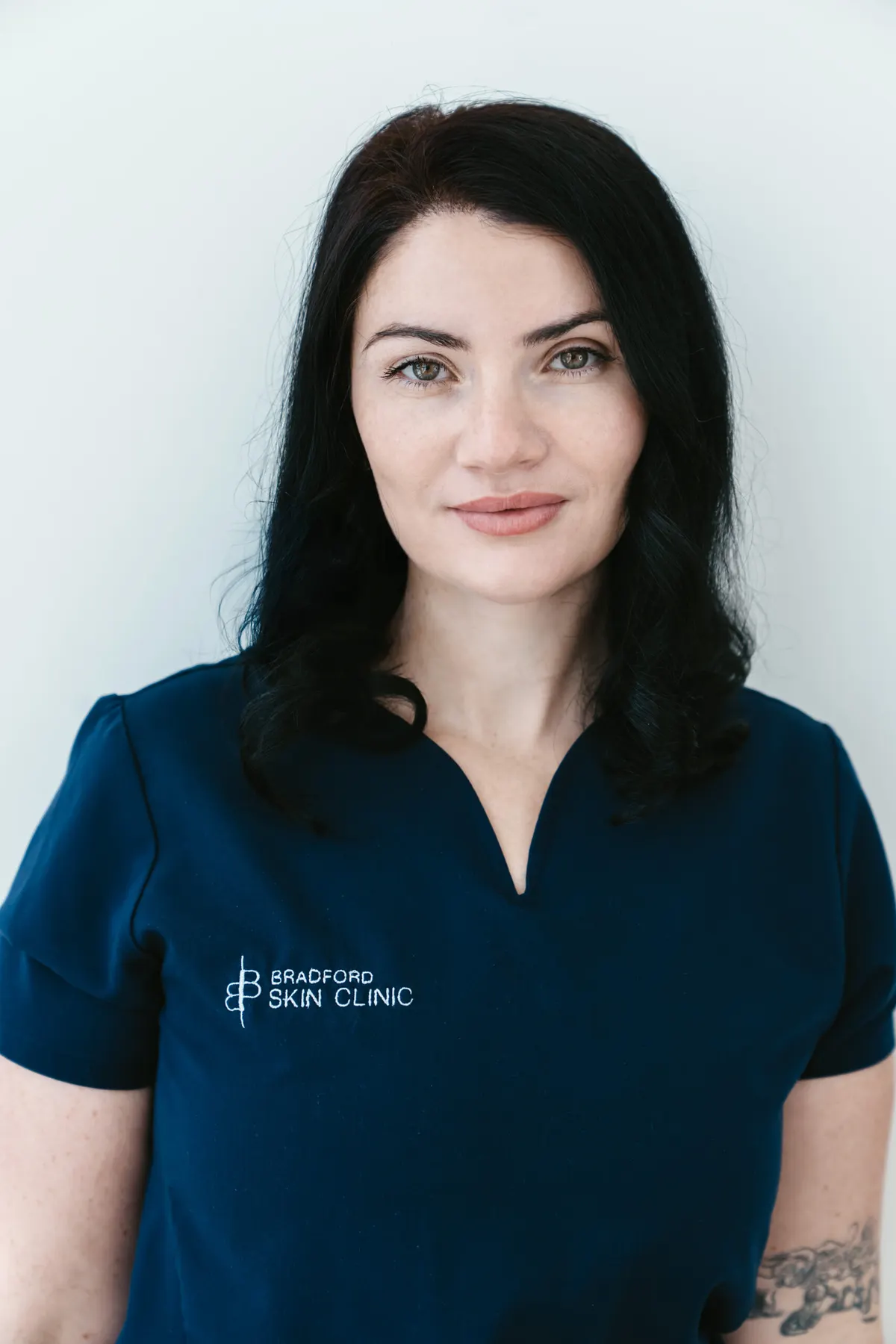
Every injectable in this clinic is placed by a licensed registered practical nurse - never a technician, never someone on a weekend certificate. Your treatment plan is then signed off by Alex Dinovich, FNP-PHC, our Nurse Practitioner & Medical Director, who has more than eight years in injectables, skin health and laser.
- Injected by Kaitlyn Meli, RPN · Ashley Bravo, RPN · Yuliya Leonov, RPN
- Signed off byAlex Dinovich, FNP-PHC - Nurse Practitioner & Medical Director
- Licence#13564840
- Experience8+ years in injectables, skin health and laser.
How it works
Four appointments'
worth of care.
Nothing here happens on the same visit you first walk in, unless you want it to and it is right for you. This is the order we work in.
- 01
Consult
We look at what is actually bothering you, ask what you have tried, and tell you honestly whether this is the right treatment. Costs nothing and commits you to nothing.
- 02
Plan
Your clinician maps the plan with you and agrees it before you commit to anything. The plan is signed off by our Medical Director before treatment begins.
- 03
Treatment
Your clinician carries out the plan exactly as it was agreed. You are told what is happening, where and why, before it starts - and the quoted price does not change on the chair.
- 04
Review
We see you again to check the result and adjust the plan for next time. The first appointment is the start of the plan, not the whole of it.
What it costs
There is no
price list. On purpose.
PDO Thread Lift is quoted at your consultation, because the honest answer depends on the person in front of us. Two people asking for the same thing can need genuinely different treatments.
A number on a web page would be easy to publish and useless to you: it tells you nothing about what your own treatment actually involves. So we give you the real figure in person, before anything begins, and it does not change once you are in the chair.
- ConsultationFree
- ThreadsQuoted by thread type and number of threads at your consultation
- Collagen biostimulators from $795
- Morpheus8 from $499
- Dermal fillers from $600
Questions people actually ask
Straight answers.
Is a thread lift the same as a facelift?
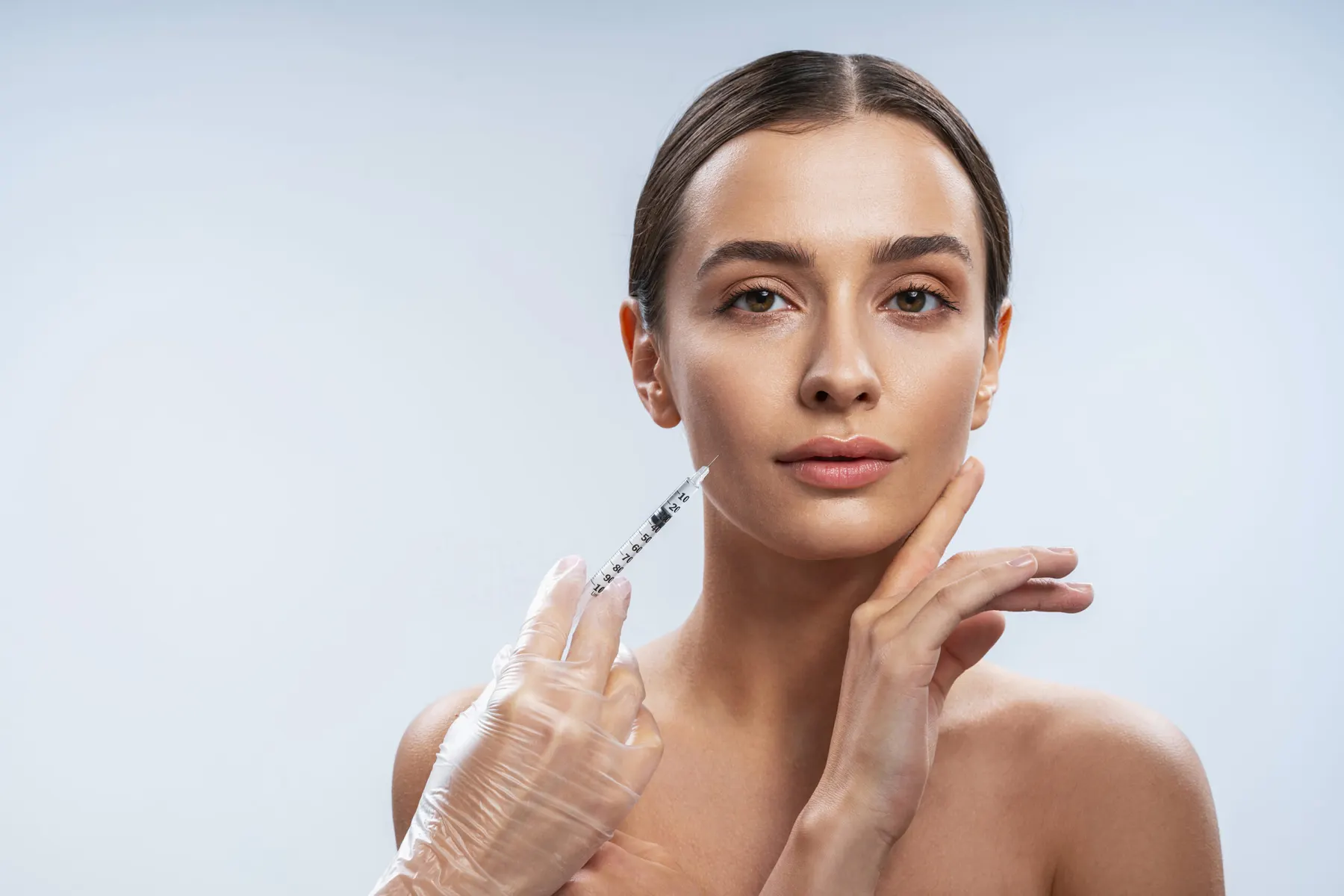
No, and the gap between the two is large. A facelift is surgery that removes and repositions tissue under general or heavy sedation, and its effect is far greater and far longer lasting. Threads reposition soft tissue a modest amount through small entry points with no incision. If your expectation is a surgical result, threads will disappoint you and we will tell you that at the consultation.
What are PDO threads made of?
Polydioxanone, the same material used in dissolvable surgical sutures, which is why it has such a long safety record. The threads break down in the body over time. Some are smooth and act mainly as a collagen stimulus; others are barbed or cogged and grip tissue in order to reposition it.
Do the threads stay in my face?
No. PDO threads dissolve. What remains afterwards is the collagen laid down along the thread track as your body breaks the material down, which is why some of the benefit outlasts the thread itself. Anyone telling you they are permanent is describing a different product.
How long does the lift last?
It is temporary and it fades as the threads dissolve and the tissue settles. We will give you an honest range at your consultation based on the thread type, the area and how much laxity you started with. We will not quote a headline figure here, because the number that gets quoted online is usually the best case rather than the average.
Who is a poor candidate for threads?
People with heavy, thick tissue and significant descent, because a thread has to be able to hold what you are asking it to hold. Very thin skin can also be a problem, because thread edges can become visible or palpable. We also avoid threads over active infection, in anyone with a bleeding disorder or on anticoagulants without medical clearance, and during pregnancy.
Can I feel the threads afterwards?
Some people feel tightness, pulling or a slight ridge in the first while, particularly when opening the mouth wide or turning the head. That usually settles as the tissue relaxes around the thread. Tell us if something feels sharp, visibly puckered or asymmetric, because those are the findings we want to see early rather than late.
Can threads be combined with other treatments?
Yes, and they usually are. Threads reposition, but they do not restore volume or improve skin quality, so they often sit alongside a biostimulator for structure or radiofrequency microneedling for the skin envelope. We will sequence them rather than doing everything on the same day.
What is recovery like?
Expect tenderness, swelling and the possibility of bruising at the entry points, plus a period of avoiding wide mouth opening, dental work, facial massage and sleeping face down. You will be given written instructions. This is the treatment on our menu where following aftercare has the most direct effect on the outcome.
Related treatments
Often considered
alongside.
If this is not the whole answer for your face, one of these usually is. Every one of them is planned by the same nurses, in the same room.


Come and see us
Get the real
number first.
The consultation is free, takes one appointment, and ends with a written plan and a price - whether or not you go ahead. If a form is not your thing, text us instead and a real person will answer.
- Clinic444 Holland St W, Unit 2
Bradford, ON L3Z 0G1 - Phone647-333-6805
- HoursMon, Tue, Thu 9am-7pm
Wed 9am-5pm
Fri, Sat 9am-4pm
Sun Closed