

Milia removal
Milia Removal.
Professional removal of milia, the small firm white bumps that are keratin cysts under the skin surface and cannot be squeezed out.
At a glance
- Performed by
- Medical aesthetician or clinician, within a plan agreed with your clinician
- Price
- Quoted by the number of lesions at your appointment
- Consultation
- Free
What it is
What milia removal
actually does.
What milia actually are
Milia are keratin cysts. A small amount of keratin, the structural protein that makes up the outer layer of your skin, becomes trapped beneath the surface with no route out. Over time it compacts into a firm little sphere that shows through the skin as a white or pearly bump, usually one to two millimetres across.
They are extremely common, entirely benign, and completely unresponsive to everything people try on them.
Why nothing you have tried has worked
Because milia are misunderstood as a pore problem. A blackhead is oxidised sebum in an open pore. A whitehead is a closed but connected comedone. Both have a channel to the surface, which is why extraction works on them and why exfoliating acids that clear pores can help.
A milium has no channel. It is sealed under intact epidermis. There is nothing for a cleanser to reach, nothing for a pore strip to grip and nothing for pressure to push out. What pressure does instead is bruise the skin around it, and around the eyes that mark can outlast the bump considerably.
How they are removed here
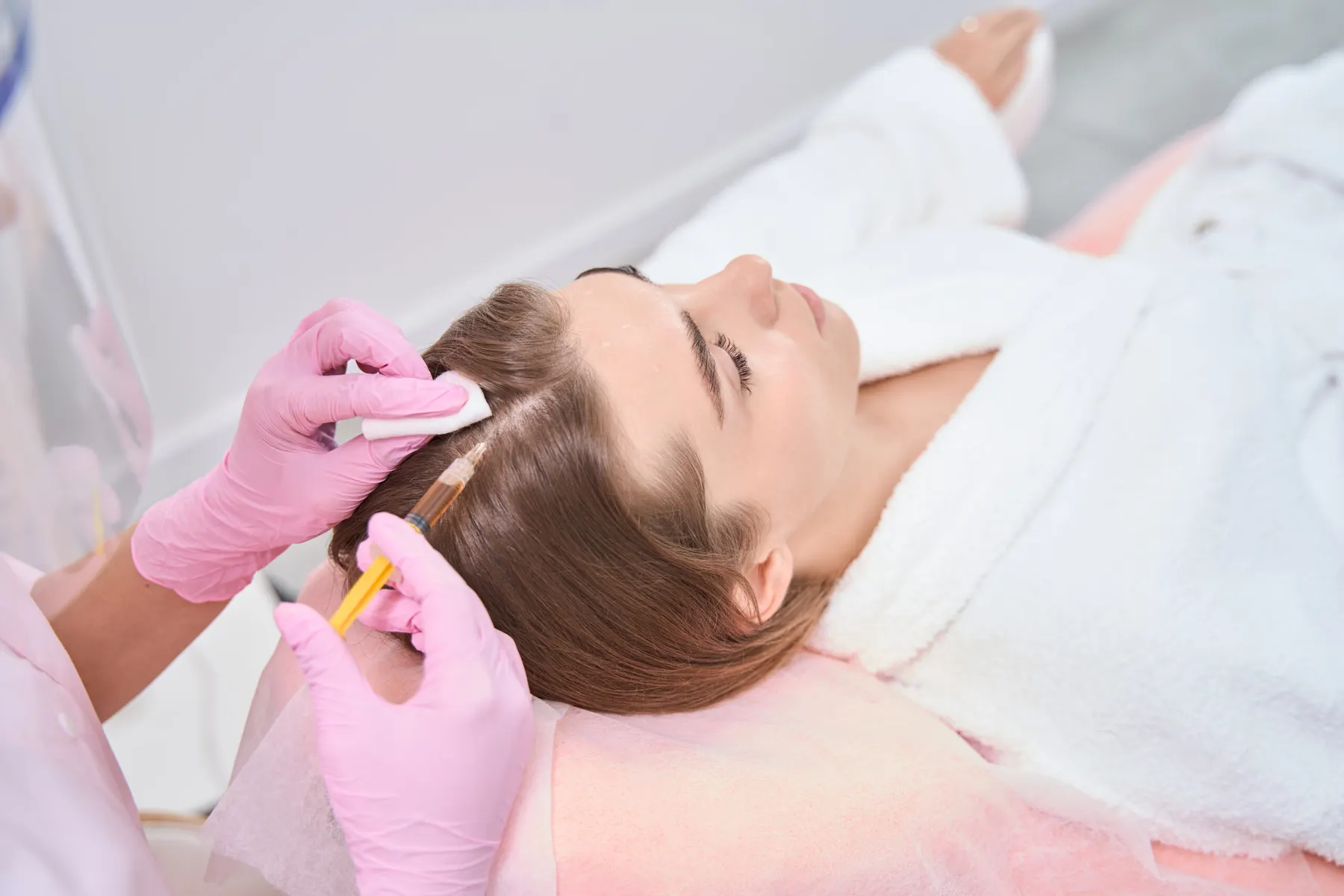
The overlying skin is opened with a sterile fine needle or lancet, creating a small point of access. The keratin core is then lifted out with a comedone extractor using controlled pressure. Each lesion takes moments, and the opening is small enough that it typically heals as a tiny pinpoint.
Where a lesion is stubborn, deeper or in an awkward position, a plasma device may be the better instrument, and we will tell you if that is the case for yours.
Identifying the lesion first
This matters, because several different things present as small bumps around the eyes and cheeks and they are not managed the same way.
Sebaceous hyperplasia has a small central dimple and is a gland rather than a cyst. Syringomas are benign sweat gland growths, often multiple and symmetrical around the lower lids. Xanthelasma are yellowish plaques near the inner eye, and they are sometimes associated with cholesterol levels that are worth checking with your doctor.
We look properly under good light before touching anything, and where a lesion needs a physician’s assessment rather than a cosmetic procedure, we will say so and refer.
Who this suits
Anyone with confirmed milia they would like removed, particularly around the eyes where makeup catches on them.
Who it does not suit
Anyone with an undiagnosed lesion that needs medical assessment first. Anyone with active infection or inflamed skin in the area. We also take a careful history in anyone prone to keloid scarring, and we will discuss it before proceeding.
At the appointment
The area is cleansed and examined under magnification and good light. We will point out what we can and cannot treat and confirm the number of lesions and the cost before starting. Each milium is opened and extracted in turn, and an antiseptic preparation is applied at the end.
Afterwards
Expect small pink points at each site, sometimes with a tiny crust, settling over the following days. Do not pick them.
Keep the area clean, leave makeup off for the period you are advised, and use sun protection. If you are prone to milia, we will talk about your products, because heavy eye creams and occlusive balms are a common and easily fixed contributor.
If it is wrong for you, we say so before you book again. A nurse-practitioner-led clinic has a licence at stake. That is the whole reason we are careful - and the reason the honest answer sometimes is "not this, and not yet".
Concerns
What it treats.
Every concern below is one we would consider milia removal for. Open any of them for the honest version: what actually causes it, and what we would and would not do.
Being straight with you
When we would
tell you no.
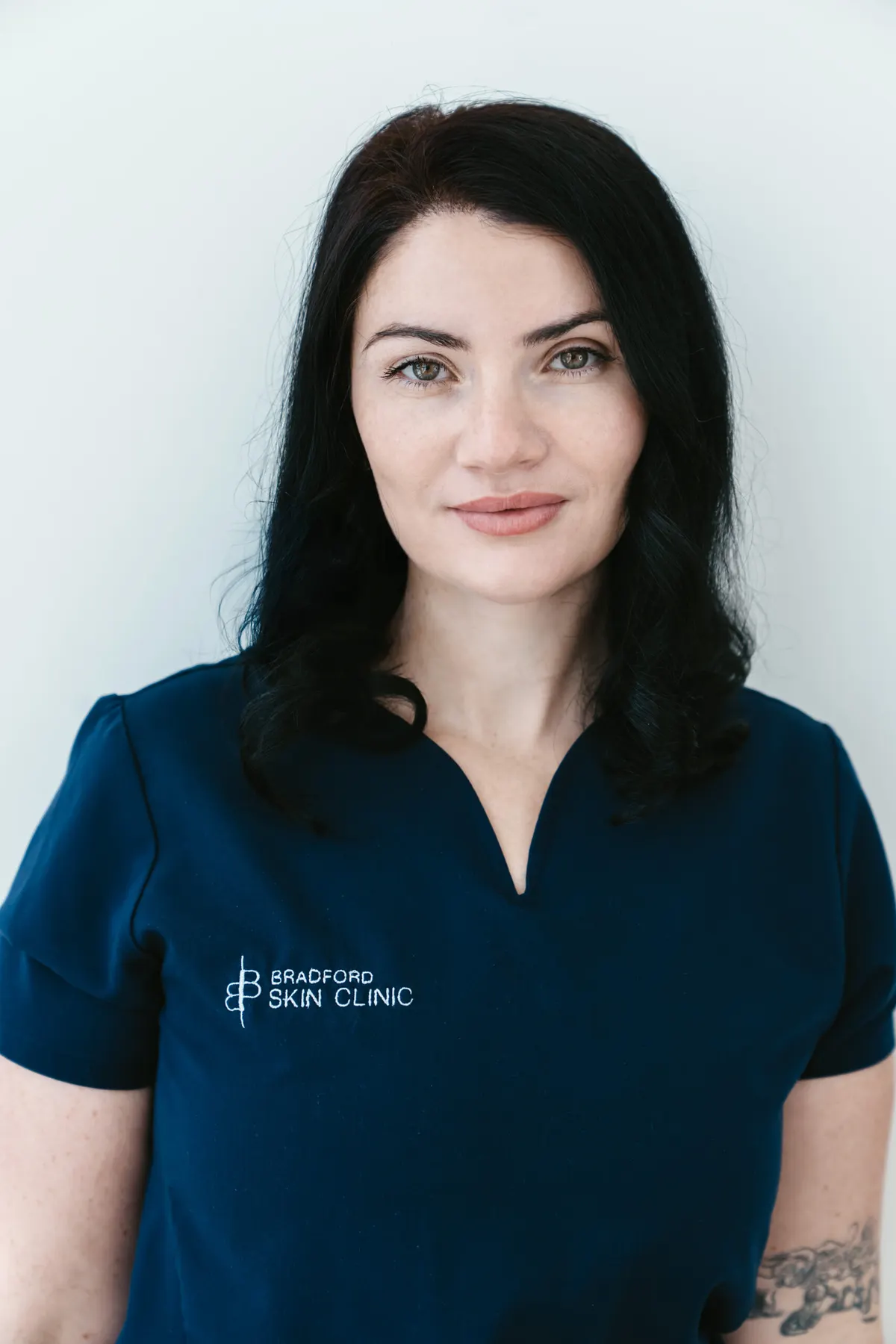
Every clinic lists who a treatment suits. This is the other half. If any of these is you, say so at the consultation and we will talk about what else might work, or about waiting.
- Your lesion has not been identified. Several other things look exactly like milia.
- You have active infection or inflamed skin in the area. We will wait.
- You expect never to form another one. Some people are simply prone to them.
- You have a history of keloid scarring. We will discuss the trade-off before proceeding.
- Your bumps are pigmented, growing or changing. Those need a physician, not an extractor.
Who performs it
A nurse runs
the room.
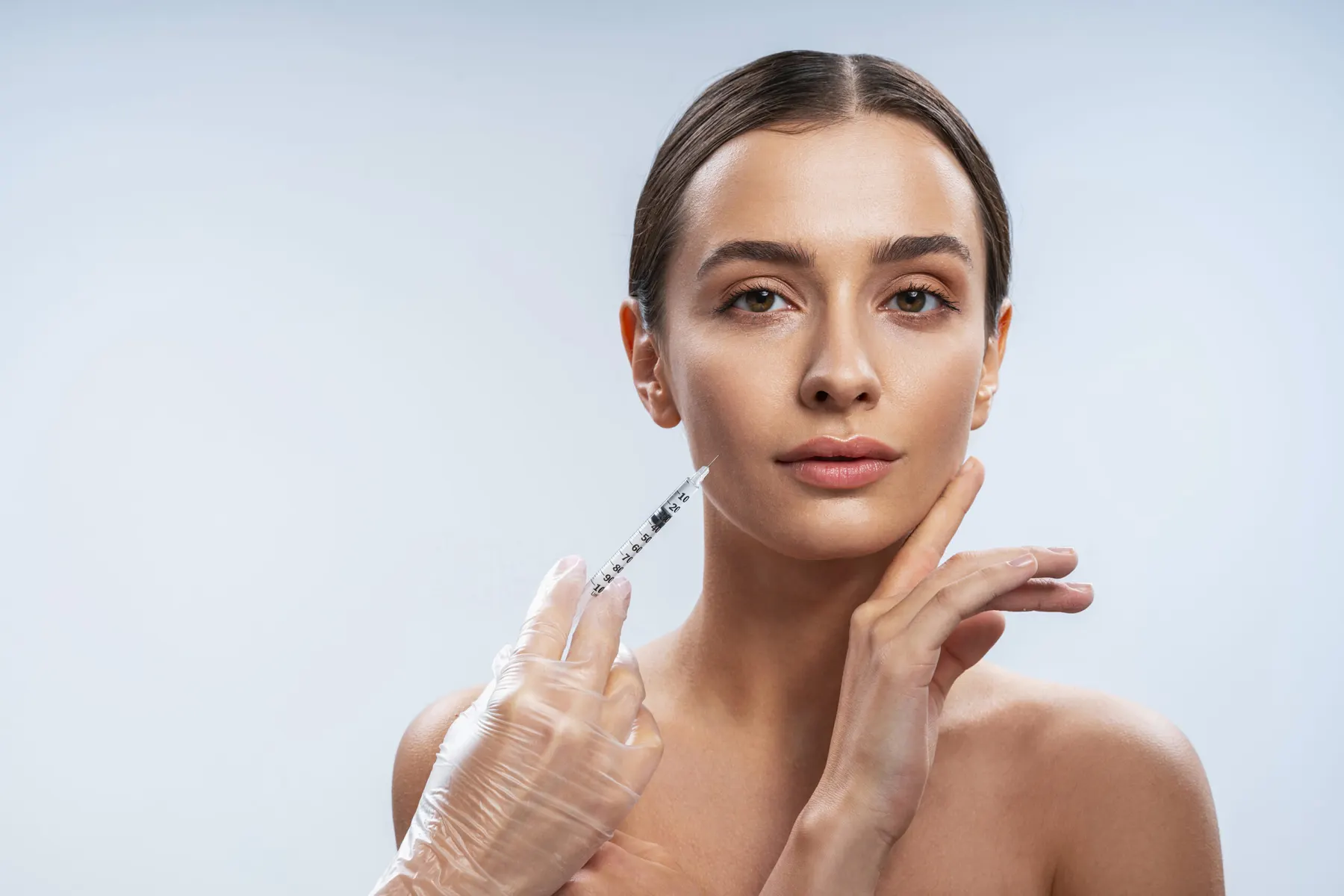
Every treatment in this clinic is carried out by a licensed clinician - never a technician, never someone on a weekend certificate. Your treatment plan is then signed off by Alex Dinovich, FNP-PHC, our Nurse Practitioner & Medical Director, who has more than eight years in injectables, skin health and laser.
- Performed by Kaitlyn Meli, RPN · Ashley Bravo, RPN · Yuliya Leonov, RPN
- Signed off byAlex Dinovich, FNP-PHC - Nurse Practitioner & Medical Director
- Licence#13564840
- Experience8+ years in injectables, skin health and laser.
How it works
Four appointments'
worth of care.
Nothing here happens on the same visit you first walk in, unless you want it to and it is right for you. This is the order we work in.
- 01
Consult
We look at what is actually bothering you, ask what you have tried, and tell you honestly whether this is the right treatment. Costs nothing and commits you to nothing.
- 02
Plan
Your clinician maps the plan with you and agrees it before you commit to anything. The plan is signed off by our Medical Director before treatment begins.
- 03
Treatment
Your clinician carries out the plan exactly as it was agreed. You are told what is happening, where and why, before it starts - and the quoted price does not change on the chair.
- 04
Review
We see you again to check the result and adjust the plan for next time. The first appointment is the start of the plan, not the whole of it.
What it costs
There is no
price list. On purpose.
Milia Removal is quoted at your consultation, because the honest answer depends on the person in front of us. Two people asking for the same thing can need genuinely different treatments.
A number on a web page would be easy to publish and useless to you: it tells you nothing about what your own treatment actually involves. So we give you the real figure in person, before anything begins, and it does not change once you are in the chair.
- ConsultationFree
- Milia removalQuoted by the number of lesions at your appointment
- Skin tag removal from $150 for the first 20 minutes
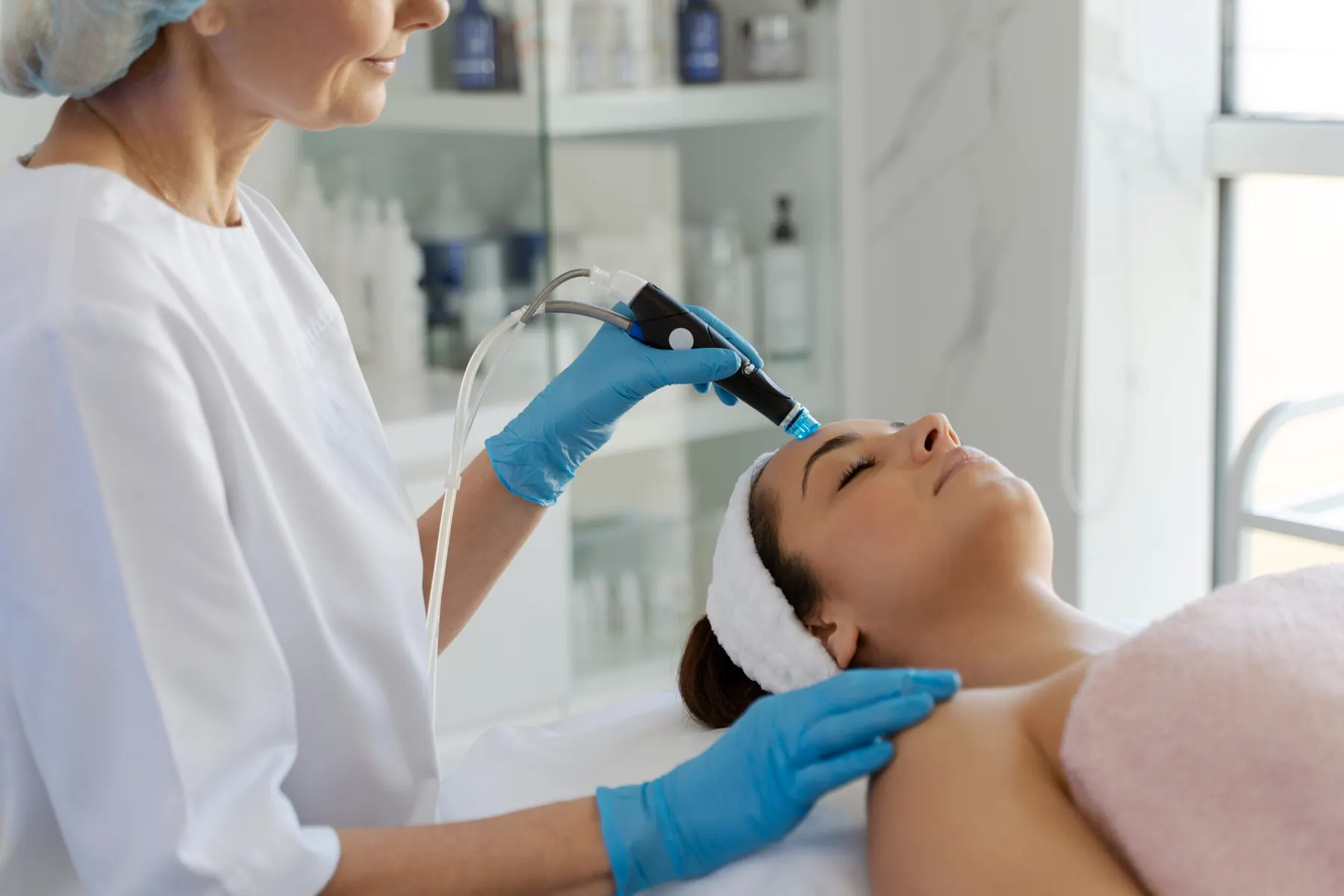
- HydraFacial from $225
- Medical-grade peels from $99
Questions people actually ask
Straight answers.
What are milia?
Milia are tiny cysts filled with keratin, trapped under a thin layer of skin with no opening to the surface. They look like small firm white or pearly bumps, most often around the eyes, on the cheeks and across the nose. They are entirely benign and they are not acne, not whiteheads and not blocked pores.
Why can I not squeeze them out?
Because there is no opening for anything to come out of. A blackhead or whitehead sits in a pore that connects to the surface; a milium is sealed under intact skin. Squeezing simply bruises the surrounding tissue and can leave a mark that lasts far longer than the milium would have. The cyst has to be opened first.
How are they removed?
The skin over the cyst is opened with a sterile fine needle or lancet, and the keratin core is then lifted out with gentle pressure using an extractor. It is quick per lesion and the opening made is very small. For some lesions, particularly stubborn or awkwardly placed ones, a plasma device may be a better tool.
Does it hurt?
Most people describe a brief sharp scratch per lesion rather than pain, and it is over quickly. The skin around the eyes is more sensitive than the cheeks. If you have many lesions or you are anxious, tell us and we will discuss whether topical anaesthetic is worth using.
Will they come back?
The milia we remove are gone, but milia can form again, and some people are simply prone to them. That is not a treatment failure. If you are getting them repeatedly, it is worth looking at what is going on the skin: heavy occlusive eye creams and rich products are a common contributor, and so is sun damage over time.
Can I remove them at home?
Please do not try. Opening skin with an unsterile needle at your bathroom mirror is how a benign bump becomes an infection or a permanent mark, and the area around the eyes is the worst possible place to learn. It is a short appointment and it is done under proper light with sterile equipment.
How can I prevent milia?
Regular gentle exfoliation and avoiding heavy occlusive products around the eyes help in many people, and consistent sun protection matters because sun damage contributes to the type that appears later in life. Prevention is imperfect, and some people will keep forming them regardless of what they do.
How do I know it is milia and not something else?
You do not, reliably, and that is a good reason to have it looked at rather than treated blind. Several other things look similar, including small sebaceous hyperplasia, syringomas and xanthelasma around the eyes, and each is managed differently. We identify what we are looking at first, and if a lesion needs a physician's assessment we will refer rather than remove it.
Related treatments
Often considered
alongside.
If this is not the whole answer for your face, one of these usually is. Every one of them is planned by the same nurses, in the same room.
Come and see us
Get the real
number first.
The consultation is free, takes one appointment, and ends with a written plan and a price - whether or not you go ahead. If a form is not your thing, text us instead and a real person will answer.
- Clinic444 Holland St W, Unit 2
Bradford, ON L3Z 0G1 - Phone647-333-6805
- HoursMon, Tue, Thu 9am-7pm
Wed 9am-5pm
Fri, Sat 9am-4pm
Sun Closed