
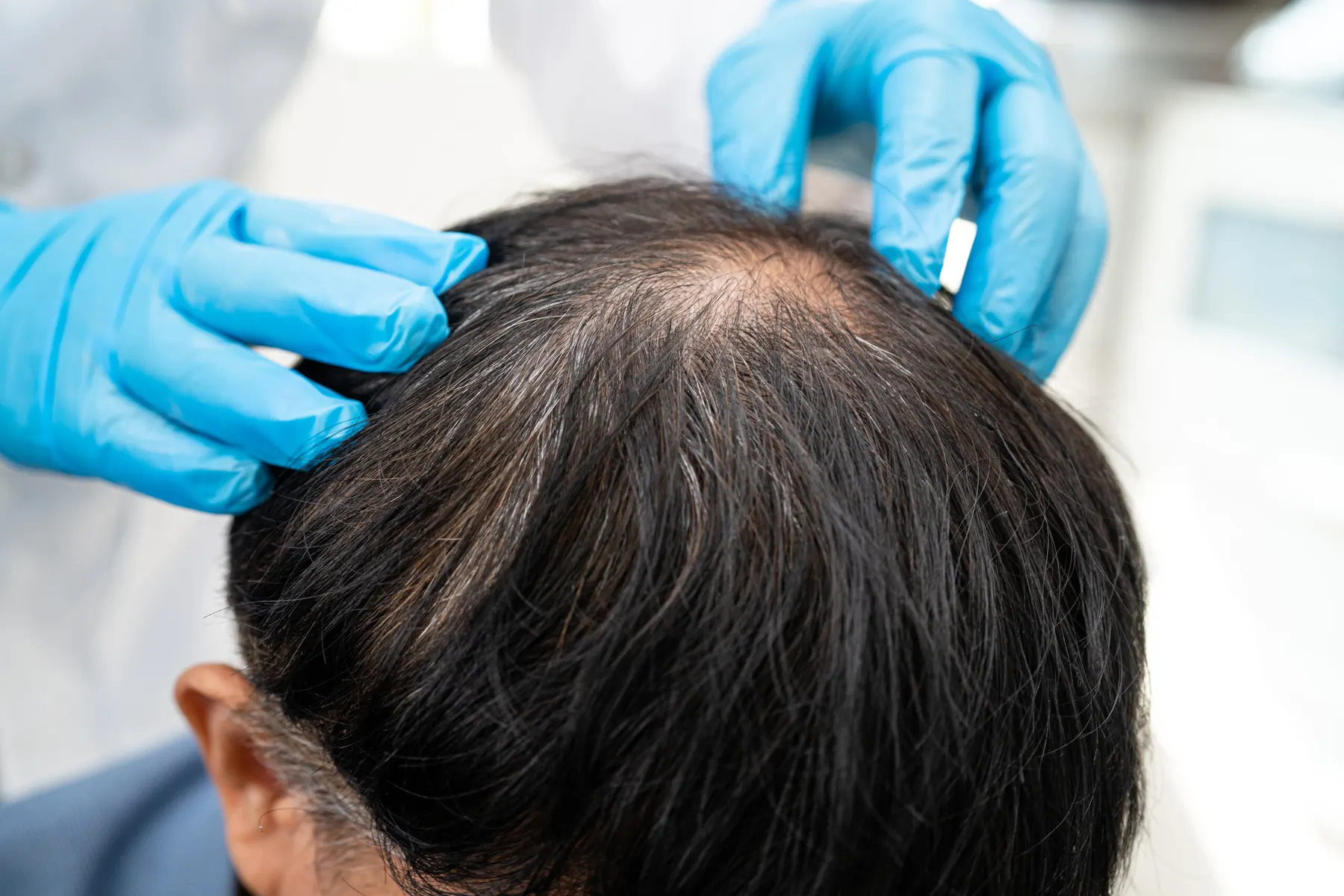
Hair loss treatment
Medical HairLoss Treatment.
An assessment-first approach to thinning hair, working out the cause before choosing between in-clinic treatment, prescribing and referral.
At a glance
- Performed by
- Assessed by Alex Dinovich, FNP-PHC, Nurse Practitioner and authorised prescriber
- Price
- Assessment and plan quoted at your first appointment
- Consultation
- Free
What it is
What hair loss treatment
actually does.
We work out why first
Most hair loss marketing skips straight to the treatment. That is the wrong order, because thinning hair is a symptom rather than a diagnosis, and the same appearance in the mirror can have entirely different causes.
Androgenetic, or pattern, hair loss is the most common and follows a recognisable distribution. Telogen effluvium is a diffuse shed that follows a trigger such as illness, surgery, childbirth, significant weight loss or a period of severe stress, and it usually recovers if the trigger is addressed. Iron deficiency, thyroid disease and other medical causes produce diffuse thinning. Alopecia areata produces discrete patches and is autoimmune. Traction alopecia comes from years of tension on the hair from tight styling. Scarring alopecias destroy the follicle permanently and need specialist management quickly.
Those are not variations of the same thing. They need different treatment, and two of them need someone other than us.
What the assessment involves
A proper history: when it started, how quickly, what else was happening in your life at the time, your family history, your medications, your styling and your diet. An examination of the scalp and hair, looking at the pattern, the density, the condition of the follicular openings and whether there is inflammation or scarring. And a discussion of what blood work is worth doing, which typically includes iron studies, thyroid function and vitamin D among others.
You will leave that appointment understanding what we think is happening. That is the product of the visit, and it is more valuable than any single treatment.
The options we can bring to it
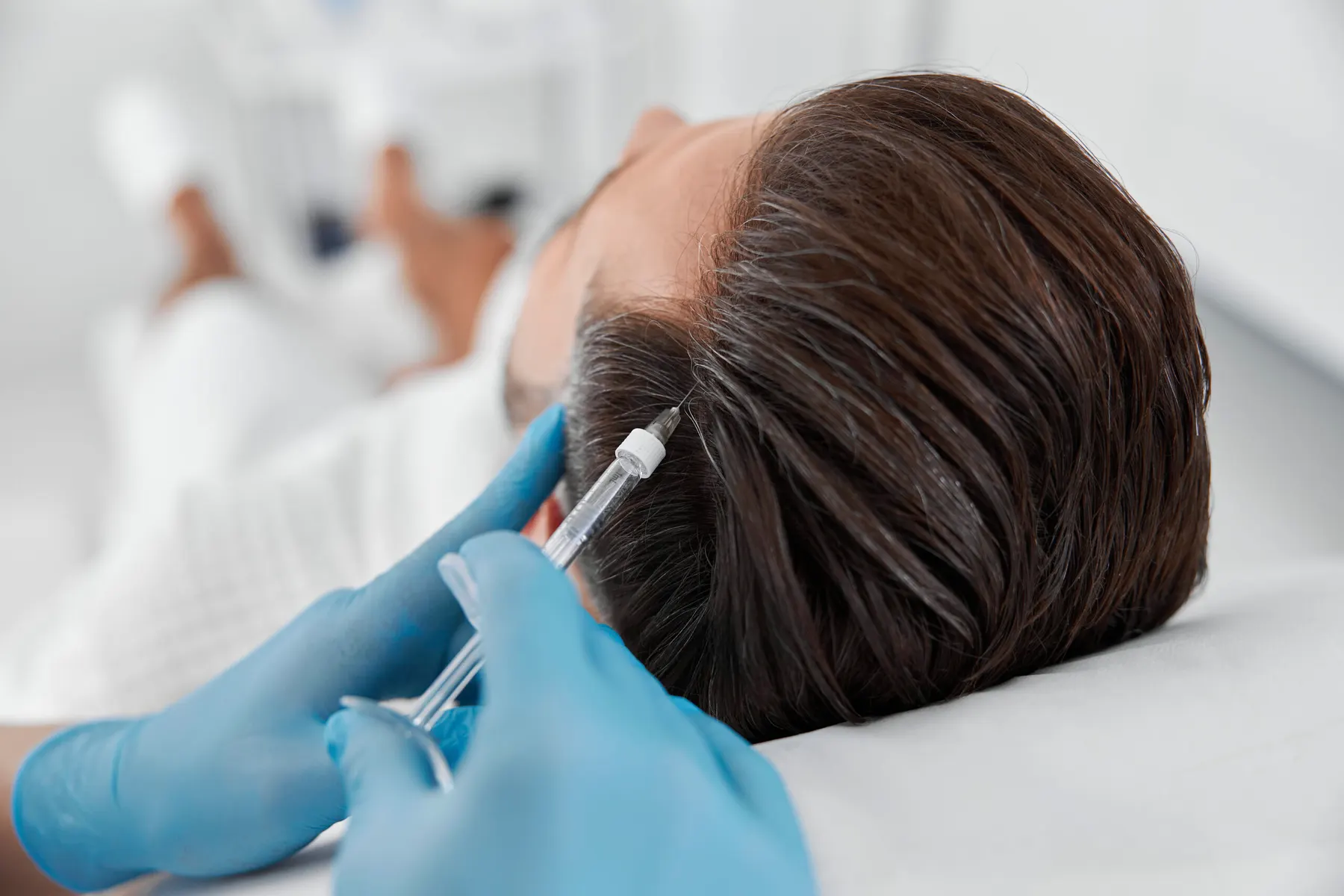
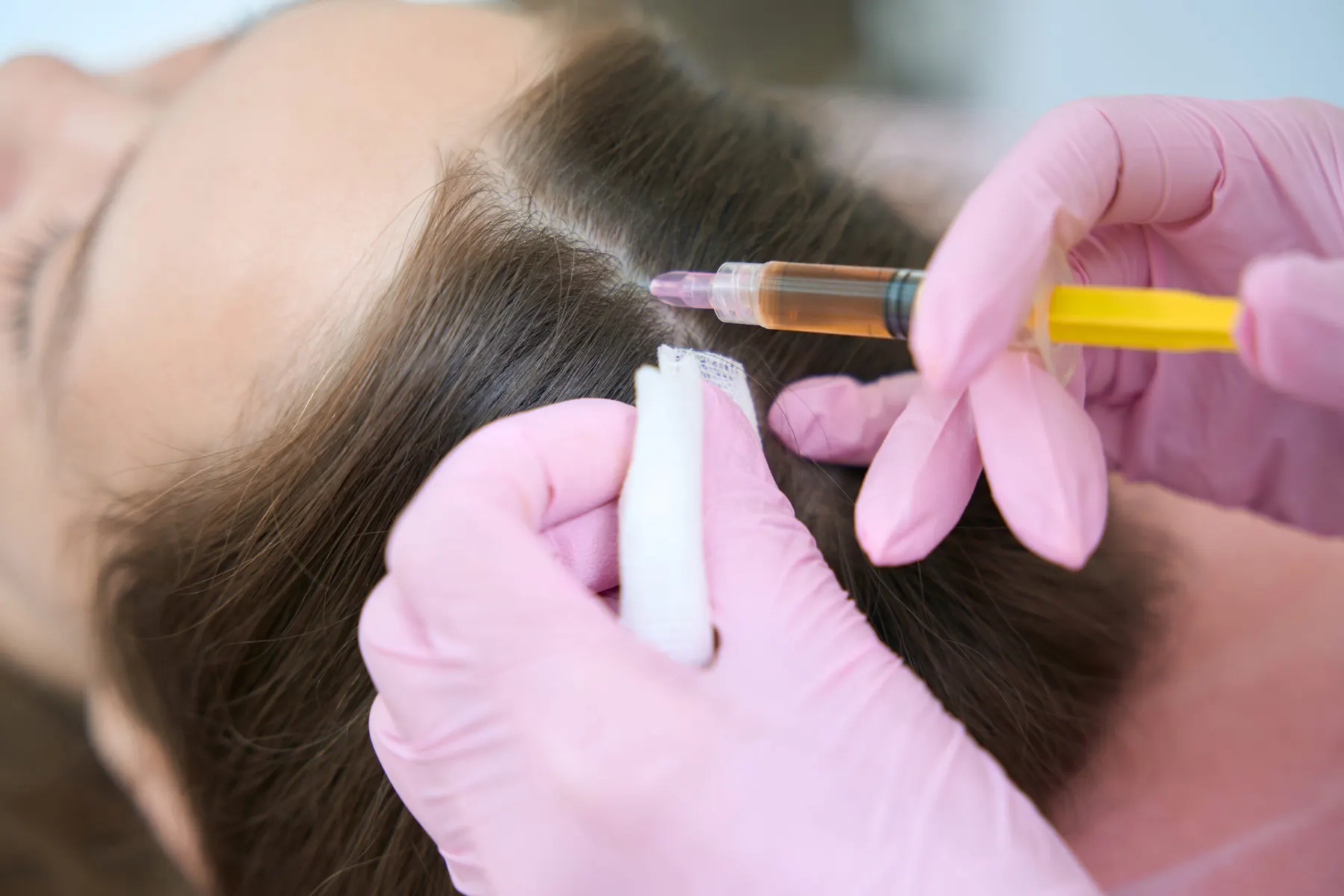
PRP hair restoration, using your own platelets injected into the scalp, which has its own page here.
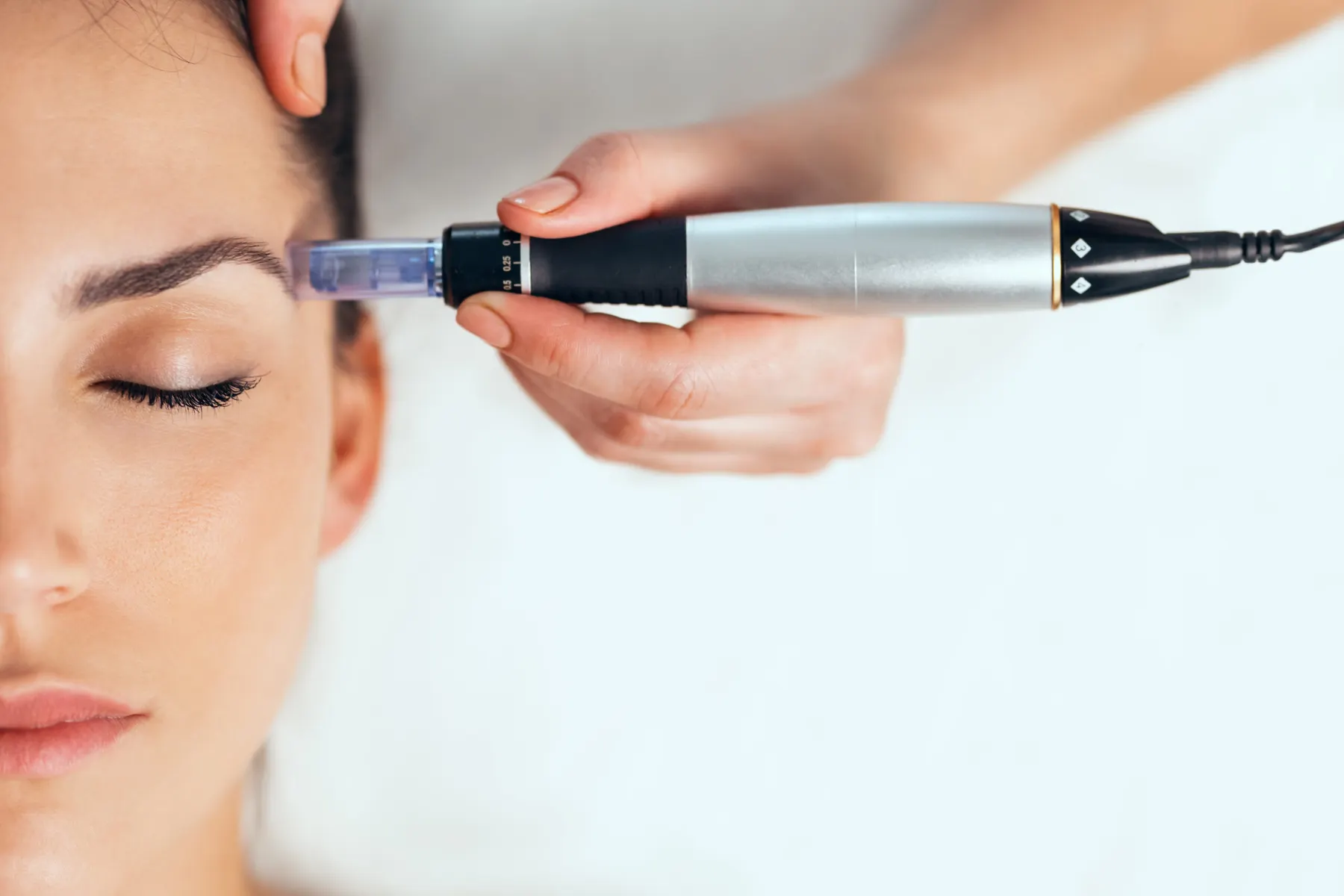
Scalp mesotherapy, delivering nutrients around the follicle, usually as part of a wider plan rather than alone.
Prescription options, assessed and prescribed by our Nurse Practitioner where appropriate. Being able to include prescribing in the conversation is the main reason a nurse-practitioner-led clinic is a sensible place to have this discussion.
Naturopathic support with Dr. Erica Vriend, ND, particularly where nutrition, deficiency or a systemic driver is part of the picture.
Correcting a documented deficiency, which sometimes does more than any procedure.
When we will tell you no
If the follicles are gone, they are gone. Where the scalp is smooth and shiny with no follicular openings visible, no injection and no supplement is going to change it, and hair transplant surgery is the honest conversation to have instead.
If we see scarring, active inflammation or sudden patchy loss, you need a dermatologist rather than an aesthetic clinic, and quickly, because some scarring alopecias are time sensitive.
What to expect from treatment generally
Hair grows slowly, so any treatment for hair loss is assessed over months rather than weeks, and photographs taken at your first appointment do most of the work of showing whether it is helping. Progress often looks like stabilisation before it looks like regrowth, and that is a genuine result rather than a failure.
We will tell you at review if a plan is not working, and we will change it or stop it rather than continuing to book you in.
If it is wrong for you, we say so before you book again. A nurse-practitioner-led clinic has a licence at stake. That is the whole reason we are careful - and the reason the honest answer sometimes is "not this, and not yet".
Concerns
What it treats.
Every concern below is one we would consider hair loss treatment for. Open any of them for the honest version: what actually causes it, and what we would and would not do.

Being straight with you
When we would
tell you no.
Every clinic lists who a treatment suits. This is the other half. If any of these is you, say so at the consultation and we will talk about what else might work, or about waiting.
- Your scalp is smooth and shiny with no follicular openings. Nothing we offer regrows that.
- You want a treatment quote without the assessment. We work out the cause first.
- You have scarring, active scalp inflammation or sudden patchy loss. You need a dermatologist quickly.
- You want a result in weeks. Hair grows slowly and progress is measured in months.
- You want a one-off fix. Pattern hair loss resumes when treatment stops, and you should know now.
Who performs it
A nurse runs
the room.
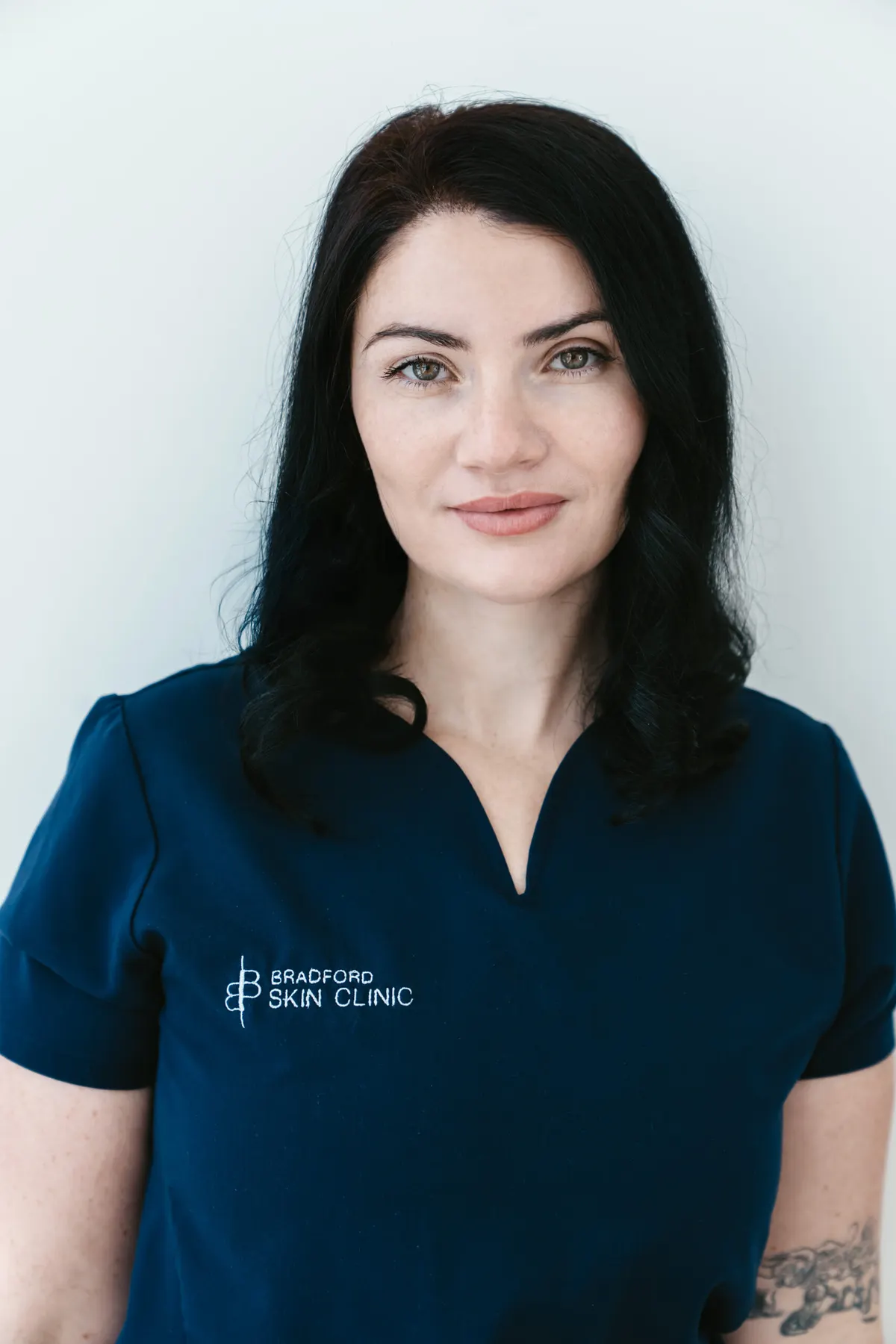
Every treatment in this clinic is carried out by a licensed clinician - never a technician, never someone on a weekend certificate. Your treatment plan is then signed off by Alex Dinovich, FNP-PHC, our Nurse Practitioner & Medical Director, who has more than eight years in injectables, skin health and laser.
- Performed by Kaitlyn Meli, RPN · Ashley Bravo, RPN · Yuliya Leonov, RPN
- Signed off byAlex Dinovich, FNP-PHC - Nurse Practitioner & Medical Director
- Licence#13564840
- Experience8+ years in injectables, skin health and laser.
How it works
Four appointments'
worth of care.
Nothing here happens on the same visit you first walk in, unless you want it to and it is right for you. This is the order we work in.
- 01
Consult
We look at what is actually bothering you, ask what you have tried, and tell you honestly whether this is the right treatment. Costs nothing and commits you to nothing.
- 02
Plan
Your clinician maps the plan with you and agrees it before you commit to anything. The plan is signed off by our Medical Director before treatment begins.
- 03
Treatment
Your clinician carries out the plan exactly as it was agreed. You are told what is happening, where and why, before it starts - and the quoted price does not change on the chair.
- 04
Review
We see you again to check the result and adjust the plan for next time. The first appointment is the start of the plan, not the whole of it.
What it costs
There is no
price list. On purpose.
Medical Hair Loss Treatment is quoted at your consultation, because the honest answer depends on the person in front of us. Two people asking for the same thing can need genuinely different treatments.
A number on a web page would be easy to publish and useless to you: it tells you nothing about what your own treatment actually involves. So we give you the real figure in person, before anything begins, and it does not change once you are in the chair.
- ConsultationFree
- Hair loss treatmentAssessment and plan quoted at your first appointment
- PRP for hair from $599
- Naturopathic medicine from $220
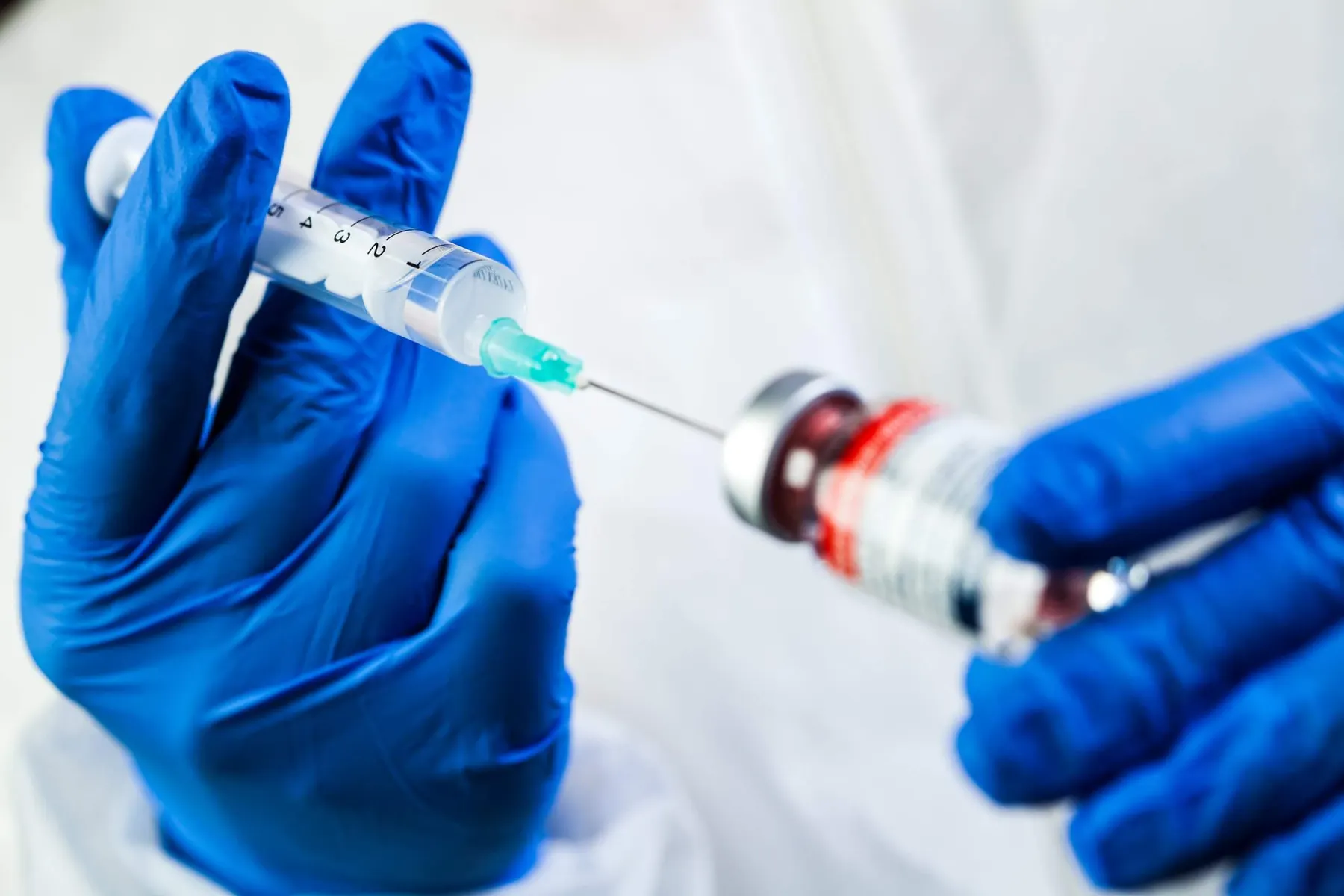
- B12 injections from $60
Questions people actually ask
Straight answers.
Why do you assess before treating hair loss?
Because hair loss is a symptom with many different causes, and the treatment that works for one does nothing for another. Pattern hair loss, telogen effluvium after illness or stress, thyroid disease, iron deficiency, autoimmune alopecia and traction from hairstyling all present as thinning hair and all need different management. Treating without diagnosing wastes your money and, more importantly, your time.
What happens at the first appointment?
A full history, an examination of your scalp and hair, and a discussion about what blood work is worth doing. We look at the pattern of loss, whether the follicles are still present, whether there is scarring, and how long it has been happening. You leave with an explanation of what we think is going on, not just a treatment quote.
Can you prescribe for hair loss?
Our Medical Director, Alex Dinovich, FNP-PHC, is an authorised prescriber in Ontario, so prescription options can be assessed and prescribed where they are appropriate. That is a meaningful difference from clinics that can only offer in-clinic procedures, and it means the conversation can include the full range of options rather than only what we happen to sell.
Is it too late for me?
It depends on whether the follicle is still alive, and that is a clinical judgement rather than a matter of how long it has been. Where hair has been gone for a long time and the scalp is smooth and shiny with no visible follicular openings, no treatment we offer will bring it back, and we will tell you that plainly rather than selling you a course of something.
Does hair loss treatment work for women?
Yes, and female pattern hair loss is common and under-treated. The pattern differs from male pattern loss, typically widening at the part rather than receding at the temples, and the workup matters more because iron, thyroid and hormonal factors are frequently involved. We assess women thoroughly rather than defaulting to a male template.
Will I have to keep treating it forever?
For ongoing pattern hair loss, yes, in the sense that stopping treatment usually means the underlying process resumes. That is worth knowing before you start rather than after. For hair loss with a reversible cause, such as a deficiency or a temporary shed after illness, treating the cause may be enough.
Do supplements help?
Only if you are actually deficient in something. Correcting a genuine iron, vitamin D or B12 deficiency can make a real difference; taking a hair supplement when your levels are normal generally does not. This is why we test rather than guess, and it is also why our Naturopathic Doctor is often part of the plan.
When would you refer me elsewhere?
When there is scarring, active scalp inflammation, sudden patchy loss suggesting alopecia areata, or any sign of an underlying medical condition that needs a physician or dermatologist. We would rather send you to the right person early than treat something cosmetically that needed a diagnosis.
Related treatments
Often considered
alongside.
If this is not the whole answer for your face, one of these usually is. Every one of them is planned by the same nurses, in the same room.


Come and see us
Get the real
number first.
The consultation is free, takes one appointment, and ends with a written plan and a price - whether or not you go ahead. If a form is not your thing, text us instead and a real person will answer.
- Clinic444 Holland St W, Unit 2
Bradford, ON L3Z 0G1 - Phone647-333-6805
- HoursMon, Tue, Thu 9am-7pm
Wed 9am-5pm
Fri, Sat 9am-4pm
Sun Closed